Art History

Art History

Explore the rich history of art from ancient times to the modern era. This category offers free articles and lessons about important movements, influential artists, and key artworks that have shaped the world of art. Whether you want to deepen your understanding or find inspiration, art history provides context and insight into the evolution of artistic expression.

Situationist International: The Revolution’s Artists and Thinkers

Situationist International (SI) was a revolutionary artistic and intellectual movement that played a central role in shaping the cultural and political landscape of the 20th century. Formed in 1957 and dissolved in 1972, the movement profoundly influenced both art and society. Origins and Background Situationist International was formed in July 1957 in the Italian town

Situationist International: The Revolution’s Artists and Thinkers Read More »

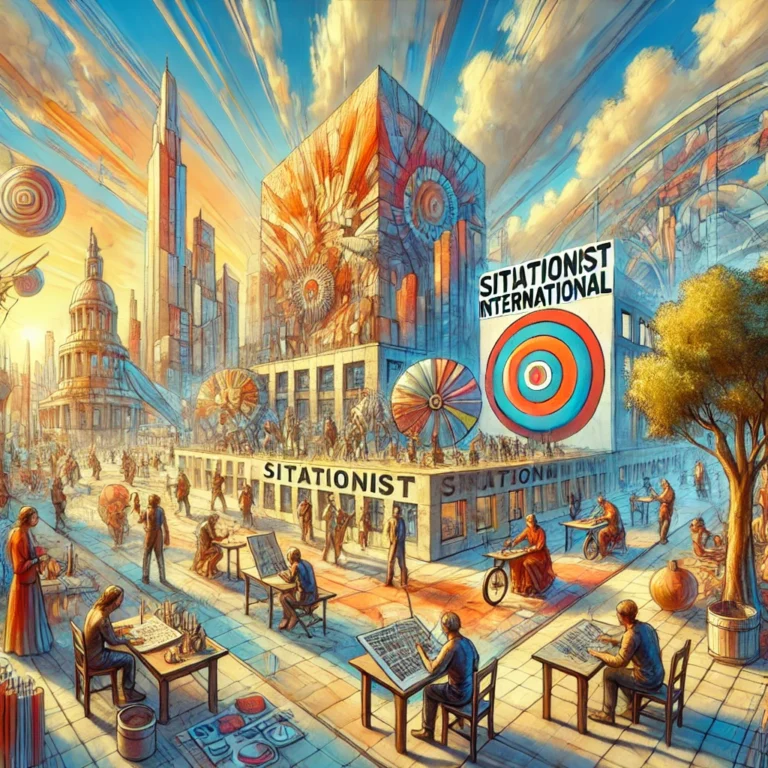
Abstract art showing a city street with people, "Situationist International" sign.

Realism in Art: A Guide to Realism

Realism is a fundamentally important attitude and approach—not only within art, but also in philosophy, literature, political science, and other disciplines. Its roots run deep into our understanding of reality and how we interact with it. Definition of Realism In art, realism refers to a style or movement that seeks to depict reality in an

Realism in Art: A Guide to Realism Read More »

Realistic guide to realism, highlighting historical painting styles

Ukiyo-e: Discover the Enchanting World from Kabuki Drama to Erotic Mysteries

Ukiyo-e — literally translated as “pictures of the floating world” — is a Japanese art genre that emerged in the 17th century during the Edo period (1603–1868). It refers to woodblock prints and paintings depicting scenes from everyday life, entertainment, nature, and portraits of famous figures from the era. The term ukiyo originally described the

Ukiyo-e: Discover the Enchanting World from Kabuki Drama to Erotic Mysteries Read More »

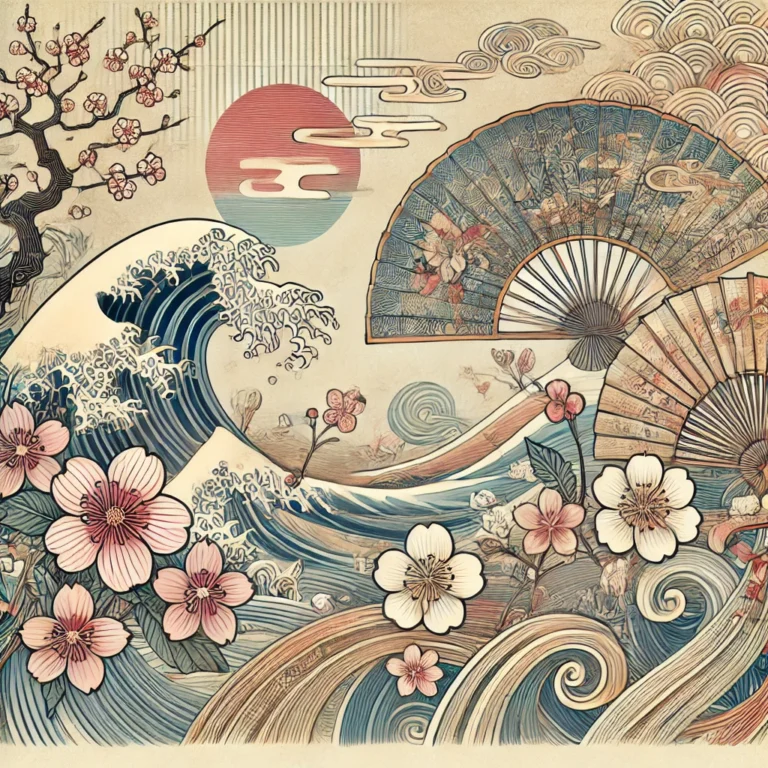
ukiyo-e example

Naturalism: Understanding the Art of Naturalism

In naturalistic literature and art, the focus is often on portraying human life through objective and detailed observation, emphasizing how nature, heredity, and environment shape human destiny. This movement highlights how social conditions, upbringing, and surroundings influence a person’s character and actions. As a result, naturalistic works frequently depict people in difficult or challenging circumstances,

Naturalism: Understanding the Art of Naturalism Read More »

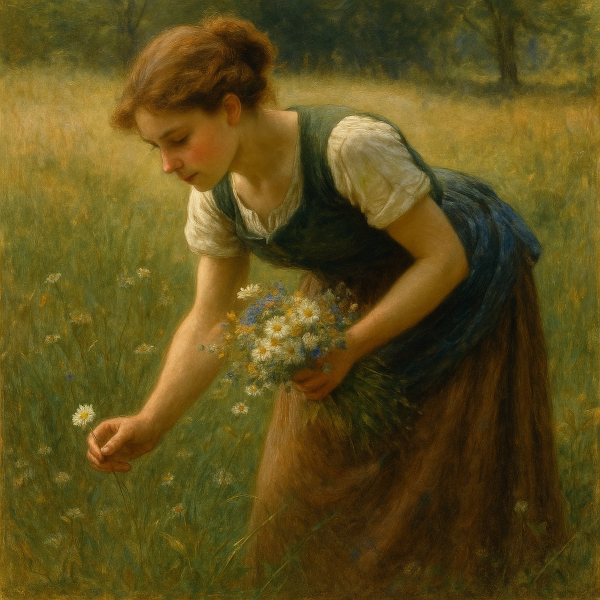
Girl picking flowers in naturalistic painting

Chiaroscuro: The Art of Contrasts

Chiaroscuro is an artistic concept that refers to the use of contrast between light and dark in an artistic composition. It is most commonly associated with painting and drawing but can also be applied in other art forms such as photography and film. The word “chiaroscuro” comes from Italian and literally means “light-dark.” This technique

Chiaroscuro: The Art of Contrasts Read More »

Chiaroscuro painting depicting dramatic light and shadow on faces and fabric

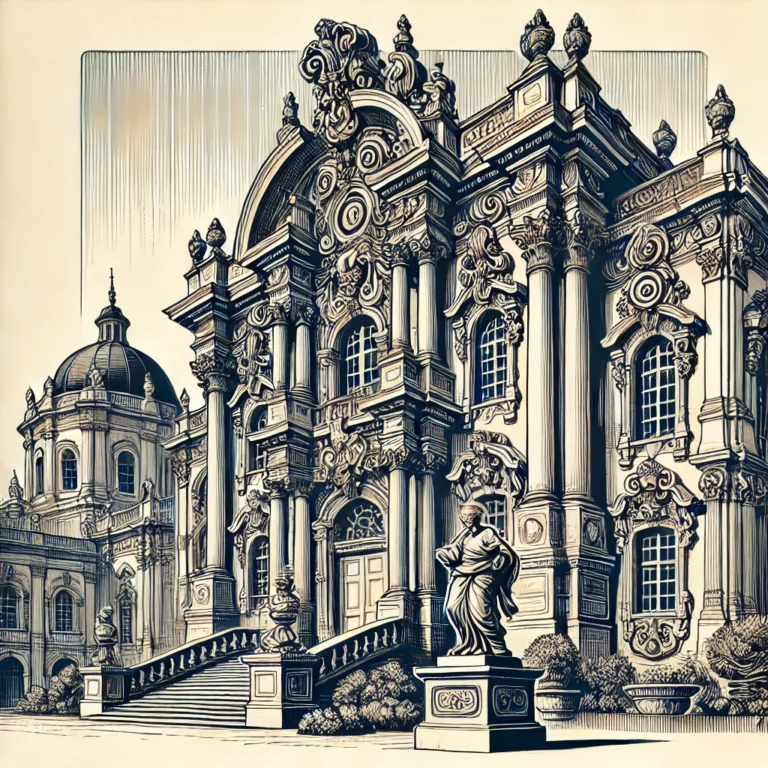
Baroque Architecture: A Majestic Unfolding of Form and Drama

Baroque architecture emerged in Europe in the 17th century as a reaction to the strict style of the Renaissance. This period, which extended into the 18th century, was shaped by political, religious, and social upheavals and was deeply rooted in the Catholic Church’s Counter-Reformation. Characteristics of Baroque Architecture Baroque architecture is characterized by its opulence

Baroque Architecture: A Majestic Unfolding of Form and Drama Read More »

Illustration af barokarkitektur med overdådige ornamenter og en statue foran
Scroll to Top