Ukiyo-e — literally translated as “pictures of the floating world” — is a Japanese art genre that emerged in the 17th century during the Edo period (1603–1868). It refers to woodblock prints and paintings depicting scenes from everyday life, entertainment, nature, and portraits of famous figures from the era.
The term ukiyo originally described the transient, fleeting pleasures of life — theaters, teahouses, courtesans, and Kabuki actors — reflecting a culture that celebrated beauty and impermanence. These works captured Japan’s urban culture at its height, offering both visual delight and social commentary.
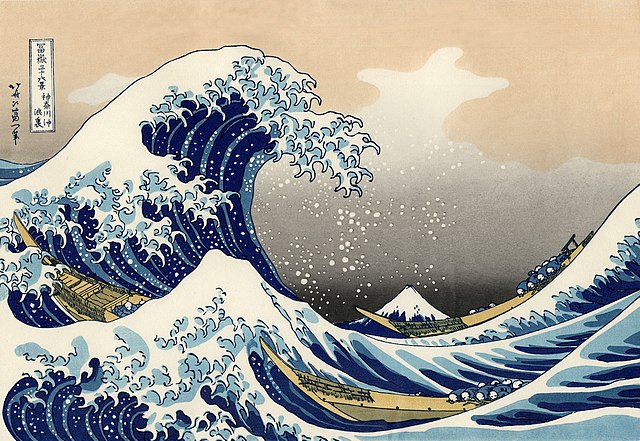
By Katsushika Hokusai
Ukiyo-e: Discover the Enchanting World from Kabuki Drama to Erotic Mysteries
The concept of ukiyo refers to the fleeting, ever-changing, and often hedonistic aspects of city life — particularly in Edo (modern-day Tokyo), where the genre flourished. Ukiyo-e artists such as Suzuki Harunobu, Katsushika Hokusai, and Utagawa Hiroshige used techniques like woodblock printing and multicolor printing to create these vivid and expressive works.
Ukiyo-e was not only seen as fine art but also as a form of popular culture — widely distributed, collected, and admired. Its influence reached far beyond Japan, shaping both Japanese aesthetics and European art movements in the 19th century, such as Japonisme.
Historical Context and Development
Ukiyo-e emerged in 17th-century Japan during the Edo period (1603–1868), an era marked by peace and stability under the Tokugawa shogunate. Economic growth, urbanization, and a rising middle class led to a new culture centered around pleasure, entertainment, and appreciation of the present moment — the very essence of ukiyo, or “the floating world.”
Artists began depicting scenes of bustling city life, Kabuki theater performances, and portraits of famous figures, along with beautiful landscapes. These affordable prints decorated the homes of Edo’s middle class and reflected a society captivated by art and beauty.
Innovations in printing brought new possibilities. Artists like Suzuki Harunobu pioneered full-color woodblock prints, while masters such as Hokusai and Hiroshige elevated the form to new artistic heights, capturing the grandeur of nature and the spirit of Japan.
Popular Ukiyo-e Themes and Symbolism
Ukiyo-e artists explored a wide range of themes that mirrored the interests and values of Edo society:
- Nature – Landscapes, mountains, rivers, and seasonal scenes symbolized both the beauty and impermanence of life.
- Kabuki Theater – Actors and dramatic scenes were central subjects. These prints captured not only the theatrical performances but also the emotional depth and energy of Edo’s vibrant entertainment culture.
- Everyday Life – Market scenes, festivals, and street vendors celebrated the dynamic pulse of city life.
- Geisha and Courtesans – Elegant women representing refinement, culture, and beauty were among the most admired subjects.
Geisha
Known as geiko in Kyoto, geisha were skilled performers of music, dance, poetry, and conversation. Trained from a young age, they were respected for their artistry and grace.
Courtesans
Oiran or tayū were sophisticated women of high social standing in the pleasure districts. Trained in both the arts and the art of seduction, they embodied Edo’s fascination with luxury and beauty.
Both geisha and courtesans became enduring symbols of elegance and refinement in ukiyo-e prints.
The Great Masters and Their Legacy
- Kitagawa Utamaro (c. 1753–1806) – Known for graceful portraits of women, Utamaro’s delicate lines and subtle colors captured the beauty and emotion of Edo’s courtesans and geisha.
- Katsushika Hokusai (1760–1849) – Creator of Thirty-Six Views of Mount Fuji, including the iconic The Great Wave off Kanagawa. His dynamic compositions influenced generations of artists worldwide.
- Utagawa Hiroshige (1797–1858) – Master of landscape prints, Hiroshige’s Fifty-Three Stations of the Tōkaidō and One Hundred Famous Views of Edo portray poetic, atmospheric scenes of Japan’s natural beauty.
How Ukiyo-e Was Made
- Design – The artist first created a drawing, often depicting daily life, nature, or Kabuki theater.
- Woodblocks – Craftsmen carved one block for each color, following the artist’s outlines with precision.
- Pigments – Natural pigments and minerals were mixed to achieve vivid colors.
- Printing – Each block was carefully inked and pressed onto handmade paper, one color at a time, until the final image emerged.
Though the traditional woodblock technique remains alive today, modern artists also experiment with digital and synthetic materials, blending old craftsmanship with new innovation. Ukiyo-e continues to inspire contemporary creators across the world, bridging centuries of Japanese artistry.