In the world of art, the term stylized often appears — but what does it really mean, and how does it shape our understanding of artistic expression? In this article, we’ll explore the meaning of stylization in artistic practice and aesthetics.
Definition of Stylized
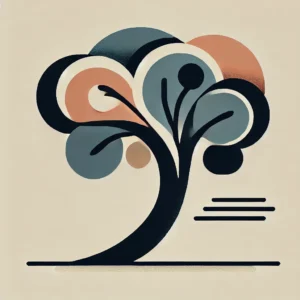
“Stylized” refers to a process or condition in which something has been simplified or reduced to its essential or characteristic features, often to create a more symbolic or abstract representation. It’s commonly used in art, design, and graphics to describe a form that has been transformed into a more refined or simplified version of the original.
Examples of Stylized Art
Here are some examples of stylized art:
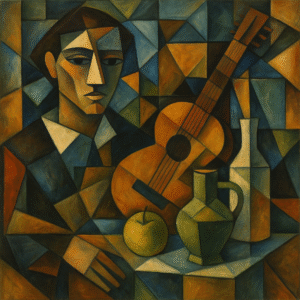
- Pablo Picasso’s Cubism: Picasso’s early cubist works are a prime example of stylization, breaking down objects and figures into geometric shapes and presenting them from multiple viewpoints simultaneously.
- Henri Matisse’s Paper Cut-Outs: Matisse experimented with cutting shapes from colored paper and arranging them into compositions that represented subjects in a simplified and abstracted way.
- Keith Haring’s Graffiti Art: Haring was known for his highly stylized graffiti works, featuring simplified human figures and recurring symbols reduced to their essential lines and forms.
- Japanese Ukiyo-e Prints: These woodblock prints from Japan’s Edo period (1600–1800s) are examples of stylization, where figures and landscapes were simplified into clear outlines and elegant shapes.
- Art Deco Design: The Art Deco movement of the 1920s and 1930s embraced stylization through geometric shapes, symmetry, and modern materials like chrome and glass.
These examples show how artists across time and cultures have used stylization to express ideas and create visually striking works.
Why Use a Stylized Approach?
There are several reasons why artists choose to work with stylization in their creations:
- Simplification and Abstraction: Stylization allows artists to distill complex subjects into essential and recognizable features, making their work easier to interpret and appreciate.
- Symbolism and Expression: By reducing forms to their core traits, artists can communicate emotions, themes, or concepts more powerfully through symbolic or abstract representation.
- Artistic Identity: Stylization often becomes part of an artist’s personal style or visual signature, distinguishing their work and strengthening its recognizability.
- Aesthetic Preference: Some artists are drawn to the visual clarity and balance that stylization offers. Simplified forms can enhance elegance, harmony, or rhythm within a piece.
- Cultural and Historical Traditions: In many artistic traditions, stylization plays a central role. Artists may use it to honor or reinterpret cultural heritage and artistic conventions.
- Practical or Technical Reasons: Sometimes stylization results from the artist’s tools, materials, or time constraints, shaping how the final work appears.
Stylization, in essence, bridges realism and abstraction — helping artists capture not the surface of reality, but its spirit.
FAQ about Stylized Art
In art, “stylized” means simplifying or exaggerating features to express the subject’s essence rather than depicting it realistically.
Pablo Picasso (Cubism), Henri Matisse (paper cut-outs), Keith Haring (graffiti), and Japanese Ukiyo-e printmakers.
To simplify complex forms, emphasize symbolism, convey emotion, and develop a distinct visual identity.
Realism aims to depict subjects as they appear; stylization focuses on abstraction, essence, and expressive design.
Yes—stylization is central in contemporary art, illustration, animation, branding, and UI/UX design.