In the art world, atmospheric perspective is a technique used to create the illusion of depth and distance in a painting or any visual artwork. It is a powerful way to add dimension and space, giving the image a sense of realism. This article explores the meaning of atmospheric perspective, how to achieve it, and the impact it has on artistic expression.
What Is Atmospheric Perspective?
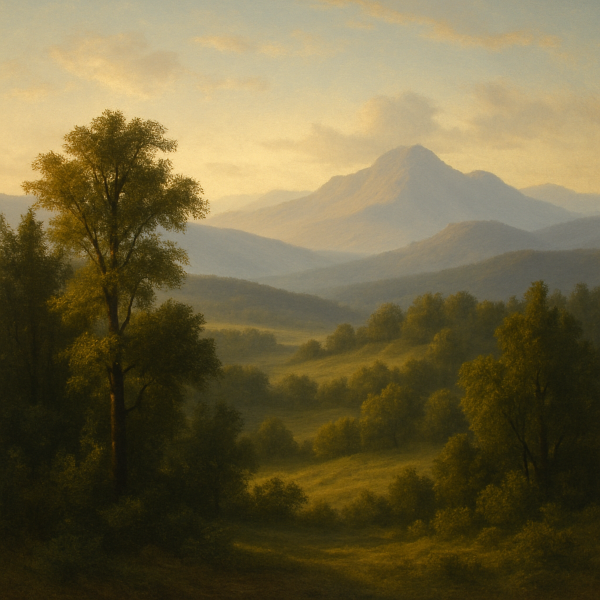
Atmospheric perspective, also known as aerial perspective, is a technique in which artists create the illusion of depth by adjusting color, contrast and detail. It simulates the way objects appear less sharp and more muted as they recede into the distance due to particles in the atmosphere.
How to Create Atmospheric Perspective
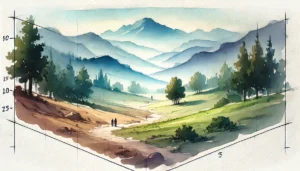
Achieving atmospheric perspective requires skillful use of color, tones and contrast. Objects closest to the viewer should be more detailed and have stronger contrasts, while distant objects gradually become softer, less detailed, and more subdued in tone.
Colors and Contrast
In the foreground, artists typically use bright, intense colors with sharp contrasts between light and dark. The further away objects are, the more the colors fade, creating the illusion of distance.
Size and Scale
Size also plays a key role. Objects in the foreground appear larger and more detailed, while those further away are reduced in size and detail, helping the viewer perceive depth.
Lines and Form
Lines and shapes can further enhance atmospheric perspective. Vertical lines may appear shorter as they recede into the background, while horizontal lines help anchor the horizon and create a sense of vastness.
The Effect of Atmospheric Perspective in Art
Incorporating atmospheric perspective can dramatically enhance the realism and spatial depth of an artwork. It gives the viewer a sense of being part of the scene, mimicking the way we naturally perceive distance in the real world.
Aesthetic Beauty and Emotional Depth
Beyond realism, atmospheric perspective also adds emotional and aesthetic resonance. Gradually transitioning from sharp, clear foreground elements to soft, muted background forms can create mystery, mood, and emotional depth—reflecting the artist’s intention and guiding the viewer’s feelings.
Atmospheric perspective is an essential technique that allows artists to create depth, dimension, and emotional resonance. By adjusting color, contrast and detail, artists can draw viewers into a world of beauty and meaning that extends far beyond the edges of the canvas.