Image analysis in visual art is a method for examining and describing how different elements in an artwork interact to create a visual experience for the viewer. It is a theoretical study of an artwork’s visual components—such as form, color, line, texture, and composition—with the aim of understanding and interpreting the piece. Image analysis also includes examining the historical and cultural context of the work, as well as the artist’s intentions and technical skills. The purpose is to develop a deeper understanding of the artwork, its meaning, and its place in art history.
Image analysis is an essential part of art historical research and a valuable method for learning to see and understand art—both for art students and enthusiasts.
Image Analysis Model
Analyzing images isn’t necessarily difficult, but it does require some background knowledge to properly contextualize a work. Here’s a model you can follow when analyzing artworks.
Note: There are several helpful links throughout the text that you can use if you’re uncertain about any of the steps.
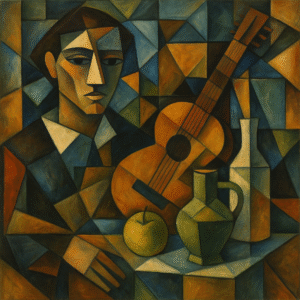
Description: Begin with a detailed description of what you see in the artwork. Describe colors, shapes, lines, textures, and other visual elements that contribute to the overall expression of the piece.
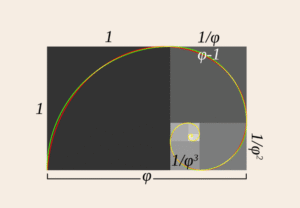
Composition: Analyze the composition of the work—how the elements are arranged (for example, using the golden ratio) and how they interact with one another. Consider proportions and scale as well.
Artistic Style: Examine the artist’s style. How does the artist’s technique influence the image and its message? Does the work belong to a particular artistic movement or style period, and how might this affect its meaning?
Technique: Analyze the techniques used to create the work—painting methods, brushstrokes, color choices, and any other materials or methods involved.
Symbolism: Assess whether the work contains symbolism or metaphors, and what they might signify. Consider how colors and shapes may hold symbolic meanings and how these are used within the piece.
Context: Reflect on the context in which the artwork was created. What historical or cultural influences inspired the piece, and how might they affect its meaning? What were the artist’s intentions, and how does this shape our interpretation?
Perspectives: Which other artworks share similar themes, intentions, backgrounds, or artistic approaches? Is the image a paraphrase of another work (a reinterpretation or development), or can it be seen as a direct contrast to another piece?
Interpretation: Draw conclusions about what the image represents and how it affects its viewers. Remember that interpretations can vary depending on background, experience, and perspective, so consider multiple viewpoints. Is there an interpretation that seems self-evident or intentional?
Your Subjective Experience: What do you personally get from viewing the image? Does it evoke feelings, thoughts, or associations—and which ones?
What Is the Purpose of Image Analysis?
Image analysis serves several purposes and contributes to different goals. One of the main aims is to gain a deeper understanding and interpretation of artworks beyond a purely subjective judgment. This is achieved through systematic examination of the work’s visual elements—form, color, line, texture, and composition. By identifying and analyzing these components, one can understand how they work together to create a visual experience for the viewer.
Image analysis can also help place an artwork within its historical and cultural context, providing greater insight into its meaning. By studying the artist’s intentions and technical skills, one can develop critical judgment and learn to assess works based on technique, composition, and significance.
Another important function of image analysis is to foster dialogue about art, allowing different interpretations and perspectives to be discussed and explored. This encourages a broader understanding and appreciation of art and its role in society. Finally, image analysis can also serve as a way to engage personally with art, deepening one’s insight into the world of art.
Many people don’t understand art. “What’s the point?” they might say, dismissing it as just random splashes of paint on a canvas. Those people should be required to learn how to analyze art—because the world doesn’t evolve through personal opinions about what an artwork gives us individually. Artists can question political and cultural issues through their work. It’s up to the viewer to reflect on what the artwork represents or explores.
Should Artists Be Able to Analyze Artworks?
That depends on the artist’s intention with their work.
Personally, I find art more compelling when there’s intention behind it. Beauty for beauty’s sake can easily feel hollow and meaningless. Yet countless artists, without much reflection, still create works that viewers can build upon—forming a deeper connection between the creator and the observer through the artwork itself.