The word “characteristics” originates from the Latin word “characteristica,” which in turn comes from the Greek word “kharakteristikos,” meaning “style of writing” or “marked by a stamp.” Originally, it referred to the practice of marking or imprinting something with a specific sign or symbol for identification.
Later, the meaning expanded to include the general designation of defining qualities or traits of an object, a person, or an event. The word has been adopted and used in many languages, including English, where it has become “characteristics.”
Characteristics Explained
Characteristics refer to the distinctive traits or qualities of an object, a person, an event, or any other entity. These are the features that define or distinguish it from other things of the same kind. Characteristics may be observable and measurable, such as size, color, or weight, or they may be more abstract and subjective, such as personality traits or cultural qualities.
For example, if we talk about the characteristics of a particular car model, we may discuss its engine power, fuel efficiency, safety features, and so on. If we talk about the characteristics of a person, we may mention their intelligence, temperament, interests, and more.
Characteristics of an Artwork
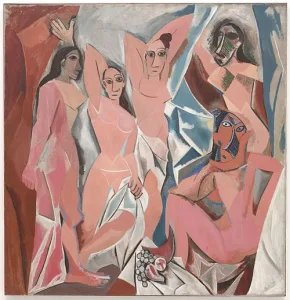
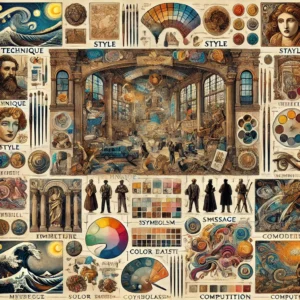
The characteristics of an artwork can vary greatly depending on the type of artwork and the context it exists in. Here are some general characteristics often discussed in relation to artworks:
- Technique: This refers to the methods, materials, and processes used to create the artwork. It may include anything from painting techniques to sculptural methods, digital media, and more.
- Style: The style of an artwork includes its aesthetic and formal qualities, such as realism, impressionism, abstraction, and others. Style can provide insight into the artist’s intentions and the era or movement the work belongs to.
- Message or theme: Many artworks communicate a message or theme. This may be political, social, philosophical, or personal. Sometimes the message is clear, while at other times it is more abstract and open to interpretation.
- Symbolism: Artworks may contain symbols or allegories that hold particular meaning or represent something larger than themselves. These symbols may be culturally based or specific to the artist’s intentions.
- Color palette: Colors play an important role in artworks and may range from muted to bright, from monochromatic to highly colorful. The choice of color can influence the feeling and mood of the work.
- Composition: Composition refers to the arrangement of elements in the artwork, including balance, proportions, lines, shapes, and spatial depth. A strong composition can make the work more visually appealing and communicate the artist’s intentions more effectively.
- Historical or cultural context: Artworks are often products of their time and culture. Their characteristics may reflect the historical or cultural circumstances in which they were created and can be important for understanding their meaning and influence.
Synonyms for Characteristics
Some synonyms for “characteristics” include:
- Properties
- Traits
- Features
- Attributes
- Distinctive qualities
- Aspects
- Particularities
- Attributes
- Dimensions
- Facets
- Points
- Elements
These words can be used in different contexts to describe the unique qualities of something or someone.
The word “characteristics” is a noun and is usually used in the plural, as it refers to multiple defining traits or qualities. The grammatical forms are:
- Singular: Characteristicum
- Plural: Characteristics