The Medici were a family of Florentine bankers who dominated Florence for most of the period from 1434 to 1737. They used their wealth to commission buildings, sculptures and paintings on a scale few rulers have matched, and many of the masterpieces of the Italian Renaissance exist because a Medici paid for them.
From Bankers to Rulers
The family fortune was built by Giovanni di Bicci de’ Medici, who founded the Medici Bank in 1397. The bank became the papal banker and opened branches in cities such as Rome, Venice, Geneva, Bruges and London. Money gave the family political power, and from 1434 the Medici ruled Florence in practice, even though the city was officially a republic. They were driven out twice, in 1494 and in 1527, but returned each time, and from 1537 they ruled openly as dukes.
Cosimo de’ Medici (1389-1464)
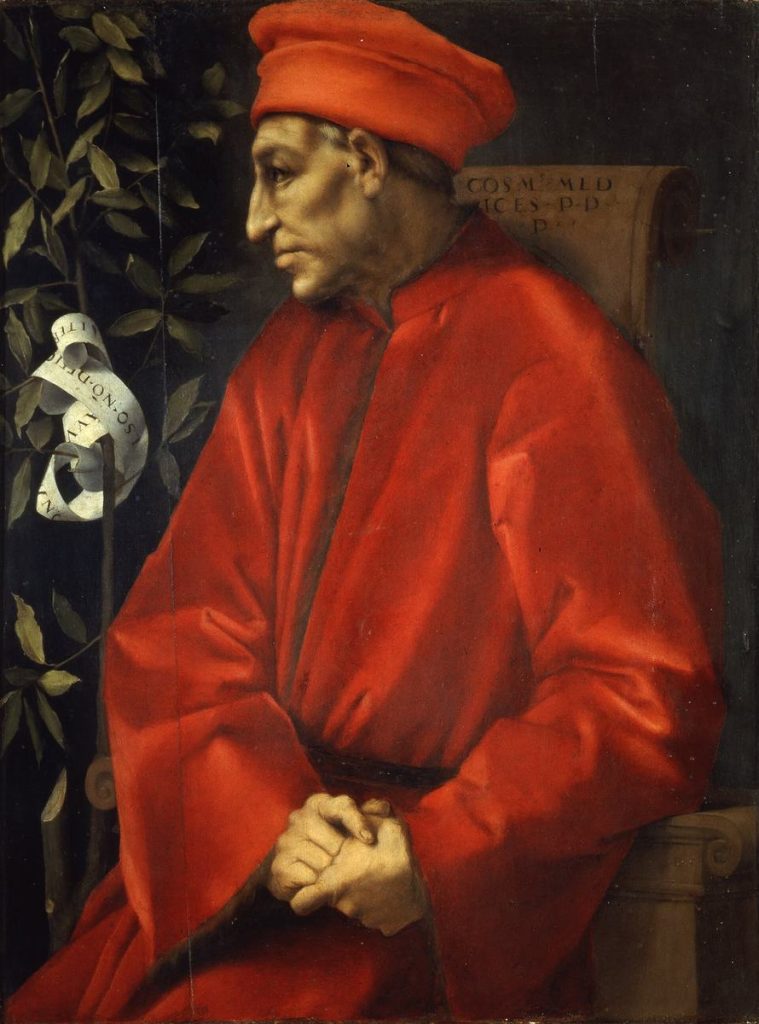
Cosimo, known as Cosimo the Elder, was the first great Medici patron. He paid for the rebuilding of the church of San Lorenzo, designed by Filippo Brunelleschi, and for the convent of San Marco, where Fra Angelico painted frescoes in the monks’ cells. He supported the sculptor Donatello, whose bronze David, the first free-standing nude since antiquity, stood in the courtyard of the Medici palace. He also funded the scholar Marsilio Ficino, who translated Plato into Latin.
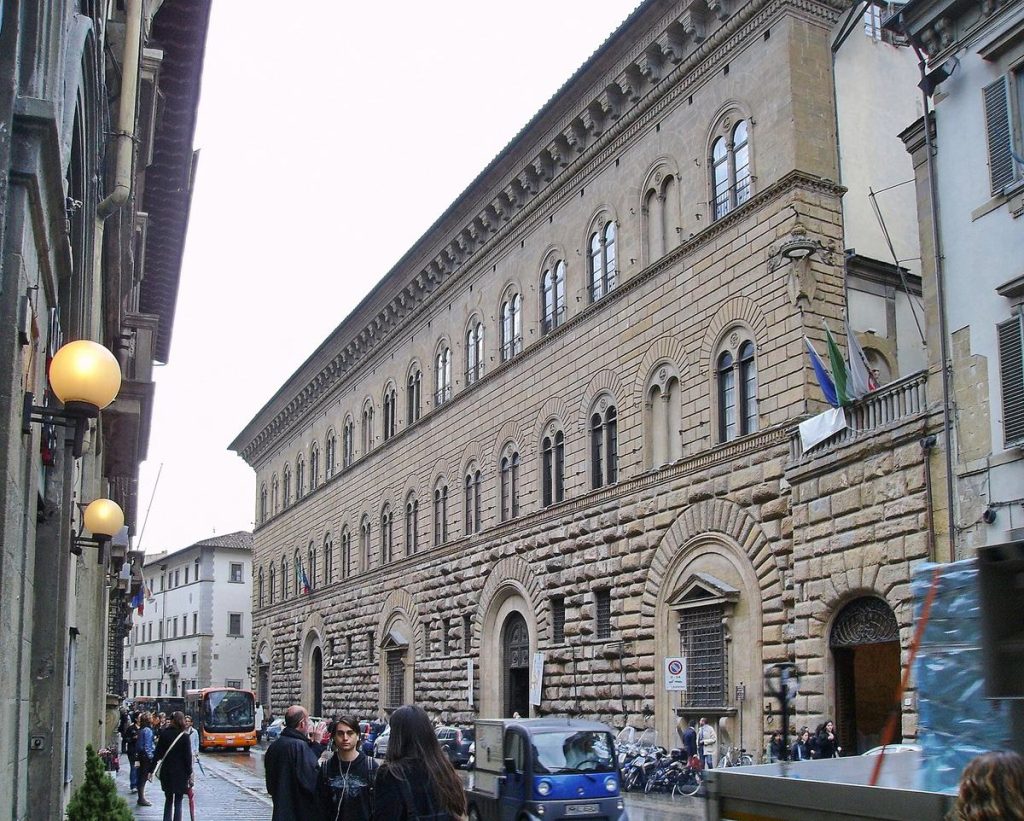
In 1444 Cosimo commissioned the architect Michelozzo to build a new family palace on Via Larga. With its heavy, rusticated ground floor and elegant courtyard, the Palazzo Medici became a model for Renaissance palaces across Italy.
Lorenzo the Magnificent (1449-1492)
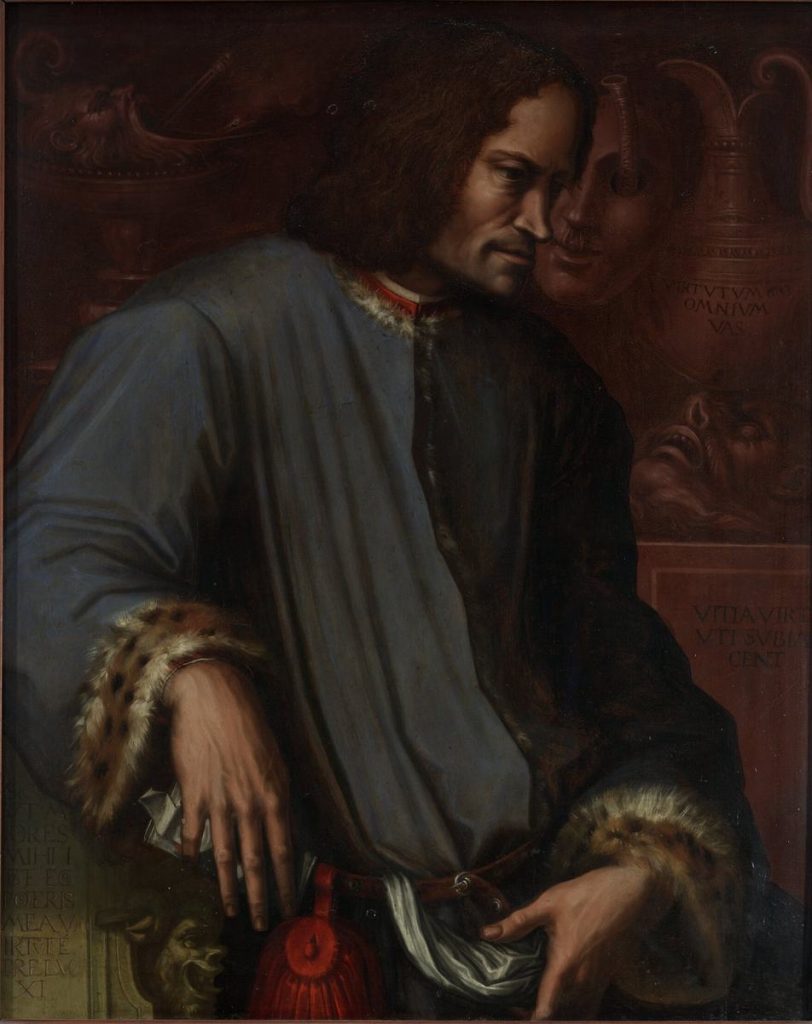
Cosimo’s grandson Lorenzo took over the family’s leadership at the age of twenty. In 1478 he survived the Pazzi Conspiracy, an attempt to murder him during Mass in Florence Cathedral, in which his brother Giuliano was killed. Lorenzo was a poet himself and gathered artists and scholars around him. The young Michelangelo trained in the Medici sculpture garden near San Marco and lived for a time in Lorenzo’s household.
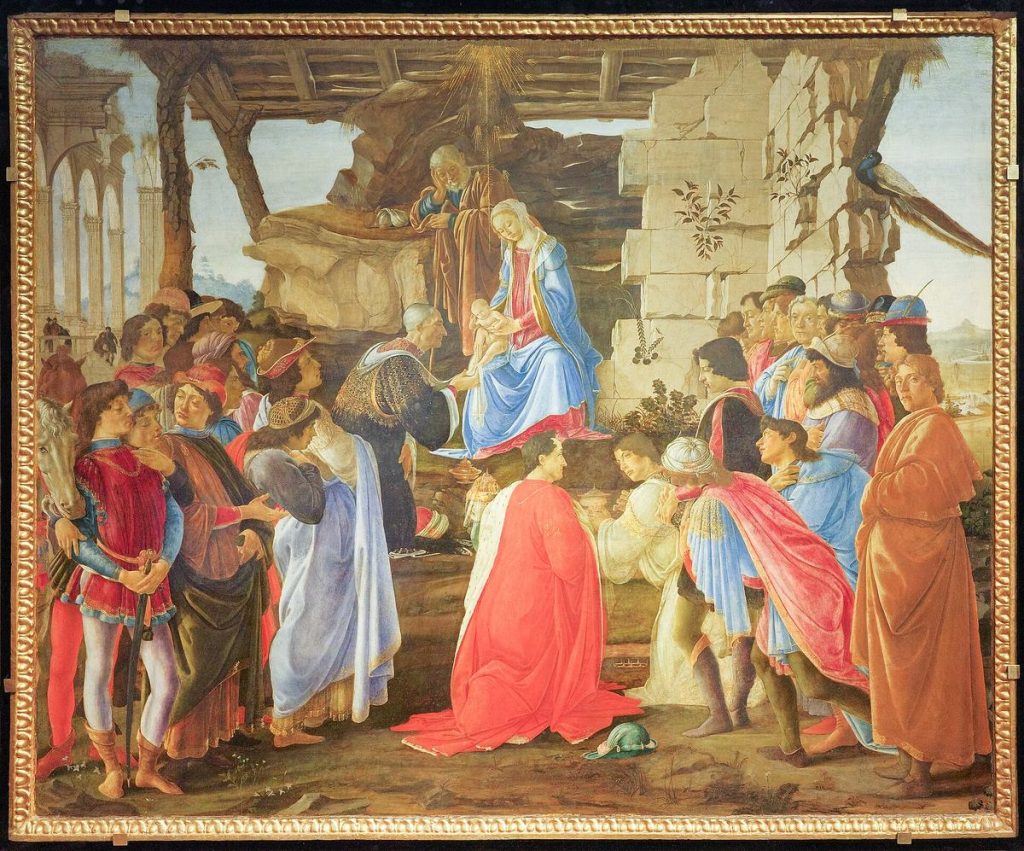
Sandro Botticelli worked closely with the Medici circle. His Adoration of the Magi from around 1475 shows several members of the family as the three kings and their followers. Cosimo kneels before the Christ Child, and Botticelli included himself on the far right, looking out at the viewer. His famous Primavera and The Birth of Venus are usually linked to Lorenzo’s younger cousin, Lorenzo di Pierfrancesco de’ Medici.
The Medici Popes
Two members of the family became popes. Leo X (Giovanni de’ Medici, pope 1513-1521) was a major patron of Raphael. Clement VII (Giulio de’ Medici, pope 1523-1534) employed Michelangelo on the Medici family tombs in the New Sacristy of San Lorenzo and on the Laurentian Library next door. Shortly before his death, Clement also commissioned Michelangelo to paint the Last Judgment in the Sistine Chapel.
Two Queens of France
Catherine de’ Medici (1519-1589) married the future Henry II of France and brought Italian taste to the French court. She commissioned the Tuileries Palace in Paris. Marie de’ Medici (1575-1642), wife of Henry IV, hired Peter Paul Rubens to paint a cycle of 24 huge canvases celebrating her life for the Luxembourg Palace. The paintings now fill a gallery of their own in the Louvre.
The Dukes and the Uffizi
Cosimo I (1519-1574) became Duke of Florence in 1537 and later Grand Duke of Tuscany. In 1560 he asked the painter and architect Giorgio Vasari to build a long office building beside the Palazzo Vecchio: the Uffizi, or “offices”. His successors gradually turned its upper floor into a gallery for the family’s art collection, today one of the most visited museums in the world.
The Last of the Medici
The male line ended in 1737 with the death of Grand Duke Gian Gastone. His sister, Anna Maria Luisa de’ Medici, made an agreement known as the Family Pact, which left the entire Medici collection to the state of Tuscany on one condition: that nothing should ever leave Florence. Because of her, the paintings, sculptures and treasures gathered over three centuries can still be seen in the city. She died in 1743.
Villa Medici in Rome
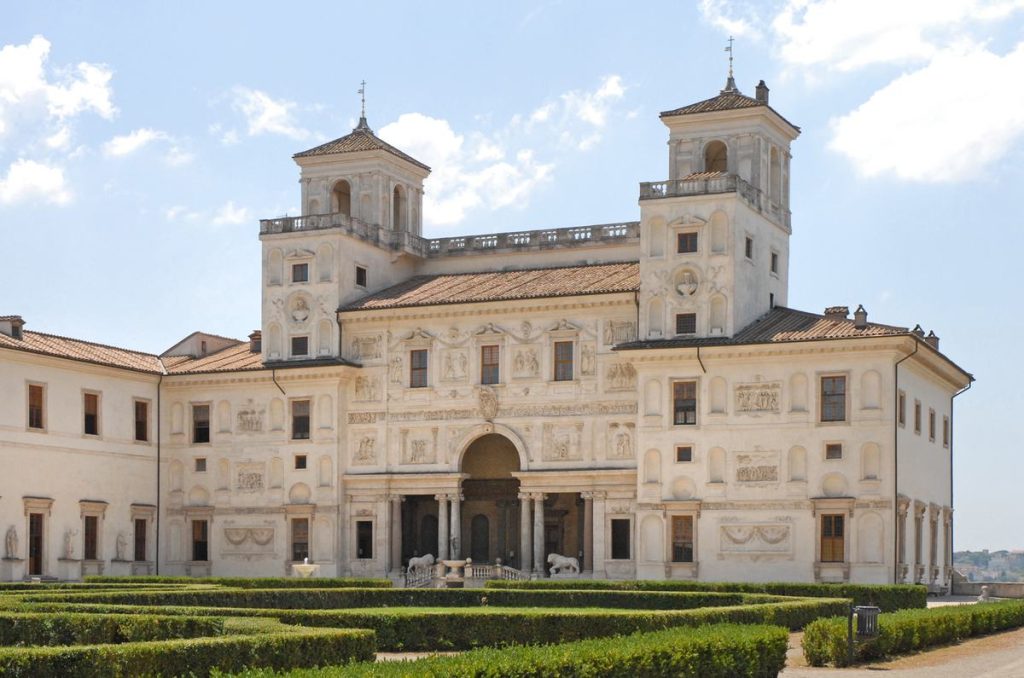
Villa Medici stands on the Pincian Hill in Rome, next to the Borghese gardens. It was begun in the 1560s for Cardinal Giovanni Ricci and completed by the architect Annibale Lippi. In 1576 it was bought by Cardinal Ferdinando de’ Medici, who filled it and its gardens with ancient sculpture. Since 1803 the villa has housed the French Academy in Rome, which gives artists, writers and composers residencies in the city.