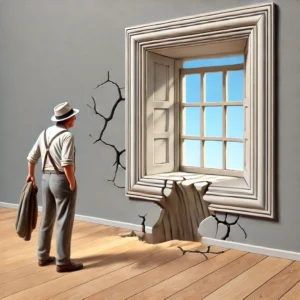
The word “happening” may sound casual—simply meaning “something that’s happening”—but in the art world it represents a groundbreaking form of live, event-based expression. Emerging in the mid-20th century, the happening challenged traditional ideas of what art could be by shifting focus from objects to experiences. In a happening, the artwork isn’t something you stand and look at; it unfolds in real time, often involving the audience as active participants rather than passive observers.
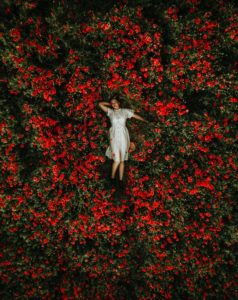
Featured Image credit: Marián Šicko
Art Happening
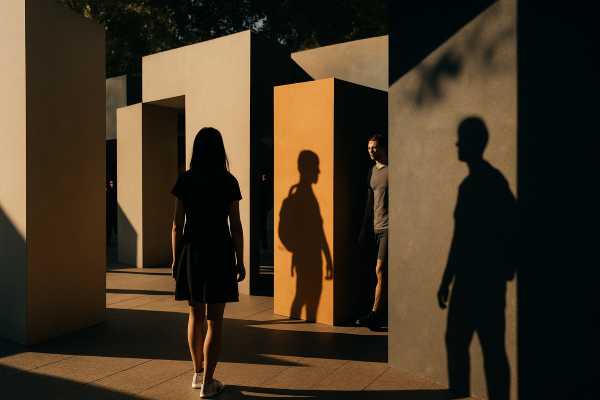
A happening in the art world is a work that unfolds in the moment. The audience often participates and becomes part of the artwork itself. Participants may act like extras—or even take on improvised leading roles—while simultaneously being the audience (or just passersby who suddenly become involved).
Historical Overview
The word happening was first recorded in 1959, when Allan Kaprow used it as the title of 18 Happenings in 6 Parts. The work “took place” from October 4–10 at the Reuben Gallery in New York.
Happenings were precursors to performance art and grew out of ideas from Dadaism and Surrealism. In performance art, the focus is more strongly on the artist’s actions, whereas happenings often revolve around the event itself and the interactions it creates.
Happenings also played a central role in pop culture and were a major part of the art scene in the 1960s and 1970s.
They typically took place in environments or installations constructed inside galleries and incorporated light, sound, slide projections, and some form of audience participation.