

Here we dive into the many exciting possibilities that arise when art moves from the studio into the open air. In this guide, we focus on outdoor art that can withstand sun, wind, and weather — but you can, of course, also create a happening or a temporary work meant to disappear. If you’re looking to create outdoor art for a wall or garden, you’re in the right place.
What Is Outdoor Art?
Outdoor art refers to any form of artistic expression created to be experienced outside. This can include large-scale sculptures in parks, colorful murals in urban environments, or site-specific installations that interact with nature. What all forms of outdoor art share is a dialogue with the environment: the location, the light, the climate, and the people who pass by.
Outdoor art encourages you to think beyond traditional studio work and discover the creative possibilities found in nature and the city.
Inspiration for Your Outdoor Art
Nature offers endless inspiration—and when you make art outdoors, you can draw directly from your surroundings. Try exploring ideas like:
- Create sculptures from natural materials: Sticks, stones, leaves, shells, driftwood, or other organic elements can become part of sculptural works that blend seamlessly into the landscape.
- Paint murals in public spaces: Bring color, narrative, and identity to walls, underpasses, or community centers. Murals often reflect local culture or history.
- Install artworks in gardens and parks: Build small artistic sanctuaries that encourage reflection or interaction.
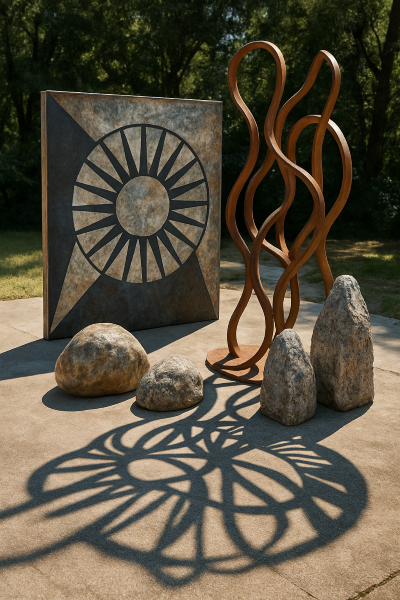
- Work with light and shadow: Sunlight changes throughout the day; use shifting shadows and reflections to create dynamic outdoor effects.
Techniques for Outdoor Art
To create long-lasting outdoor art, you need materials and techniques suitable for outdoor conditions. Here are some popular methods:
- Mosaic: Use small pieces of glass, ceramic, or stone to create colorful, weatherproof designs on walls, pathways, or surfaces.
- Concrete casting: Create your own sculptures or structures with concrete, a durable material ideal for outdoor settings.
- Welding: Metal sculptures can be shaped, joined, and allowed to patinate beautifully over time.
- Weatherproof painting: Use acrylic or exterior paint for murals, signs, or painted installations that withstand rain and UV exposure.
Before You Begin: Important Considerations
Before starting your project, think about:
- Placement: Where will your artwork live—and how will it interact with its surroundings?
- Materials: Are they weather-resistant?
- Techniques: Do you have the right tools and skills?
- Permissions: Some public spaces require approval from city authorities.
Sketching your idea beforehand will help you visualize how the artwork fits into the environment.
Materials for Outdoor Art
Popular materials include:
- Stone: Durable and naturally weather-resistant.
- Metal: Strong, moldable, and ideal for welding.
- Wood: Beautiful and organic, but requires maintenance outdoors.
- Concrete: Versatile and long-lasting.
- Glass: Reflective and elegant, perfect for mosaics or installations.
Corten steel is especially beautiful outdoors. It develops a rust-like surface that protects the underlying metal and gives a raw, industrial look.
Learn more about materials in our section on material studies.
Outdoor Art in American Cities
The United States has a rich outdoor art culture, with countless inspiring places to explore. Here are a few standout examples:
New York City
- The High Line: An elevated park filled with rotating sculptures, installations, and urban gardens.
- Bushwick Collective (Brooklyn): One of the most famous mural districts in the world.
Chicago
- Millennium Park: Home to large-scale public artworks like Anish Kapoor’s Cloud Gate (“The Bean”) and Jaume Plensa’s Crown Fountain.
- Wabash Arts Corridor: A vibrant street-art and mural district downtown.
Los Angeles
- Arts District: Streets filled with murals, graffiti, and contemporary outdoor installations.
- Venice Beach: Famous for its open-air graffiti walls and experimental public art.
A Danish Example
- Deep Forest Art Land (Skovsnogen), Jutland: A forest filled with site-specific sculptures and installations that evolve with nature. Ideal for exploring the boundary between art and landscape.
Outdoor Art in Gardens
Outdoor art can transform your garden into a personal sanctuary. Sculptures, installations, mosaic pathways, or water features can add texture, movement, and atmosphere. Choose pieces that harmonize with your landscape’s style and character.
Outdoor Art for Children
Outdoor art is perfect for encouraging children’s creativity. You can find ideas in our section on children’s art. Try activities such as:
- Painting stones
- Building shelters or forts from branches
- Creating insect hotels
- Making wind chimes from natural materials
How to Exhibit and Sell Outdoor Art
- Join exhibitions: Look for outdoor sculpture shows, festivals, or community events.
- Contact galleries: Some galleries specialize in outdoor sculpture.
- Sell online: Use your own website or an art platform.
See our guide on selling your art for more advice.
Art Dictionary
You can also visit our art dictionary for definitions of essential art terms.


