Painting like a professional isn’t just about talent — it’s about technique and precision. Knowledge and practice matter more than expensive canvases or brushes. So don’t hesitate to train with affordable materials if you’re still finding your hand. It doesn’t need to look perfect at first — the key is developing control and confidence in your brushstrokes.
Create Invisible Brushstrokes
When working with acrylic or oil paint, use a thin, fluid consistency, a relatively dry brush (wiped with a cloth, not straight from the package), and paint in many directions over a large area.
When you’re priming your canvas — that is, creating your first background layer — it’s crucial to move the brush in multiple directions. If not, those first strokes can show through later layers.
Follow the Form With Your Brushstrokes to Shape Volume
When painting a rounded object, make your brushstrokes follow the form. This helps you create a sense of volume without relying on extra techniques.
For flat objects, let your strokes follow the object’s direction — for example, horizontal strokes for a tabletop.
Paint Air and Wind With Brushstrokes
To paint air, build it up in layers. Air isn’t just one color — in the atmosphere, hues vary in clarity and value.
Because air consists of invisible particles, it’s best to paint it with strokes that have no clear direction. This avoids harsh edges or streaks — perfect for still, quiet air.
To paint wind, follow the direction of the flow. Even subtle strokes will suggest movement and energy in the scene.
Avoid Thick Edges and Streaks in Paint
One of the most common issues for both beginners and experienced painters is unwanted streaks or ridges in the paint. Here’s how to fix that like a pro:
- Avoid loading too much paint on your brush, and thin the paint slightly so it doesn’t form ridges.
- If thick edges appear, it’s because your brush holds too much paint.
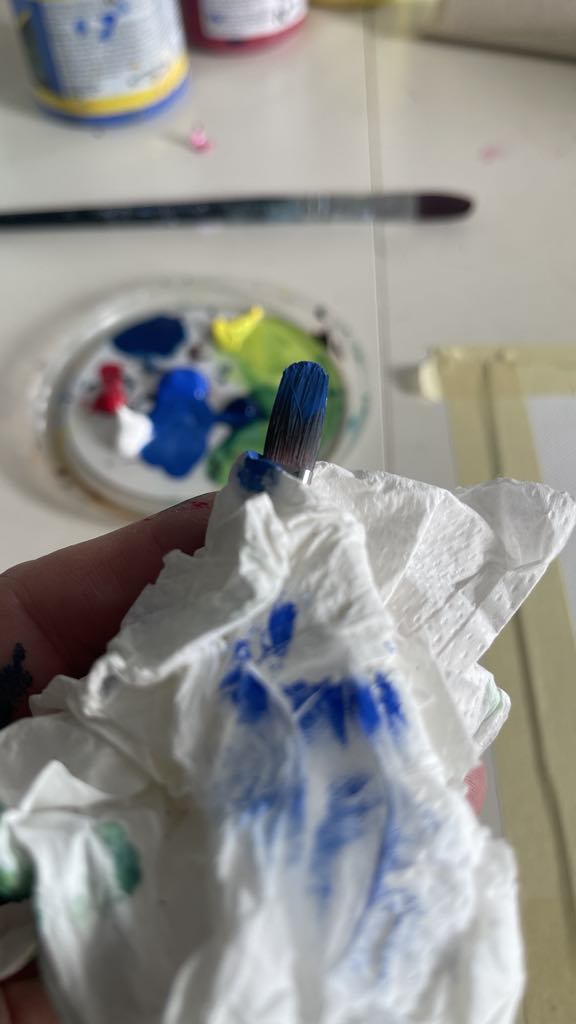
Pro tip: Keep paint off the inner third of your brush (the part closest to your hand). After picking up paint from your palette, wipe that section with a cloth — it will help keep your strokes smooth and even.
The Impasto Painting Technique
“Impasto” is an artistic technique that refers to applying thick, heavy layers of paint to a surface, creating a textured effect. This approach usually involves using generous amounts of paint, applied with a broad brush or even a palette knife. When applied impasto-style, the paint stands out from the canvas, forming a three-dimensional effect.
With the impasto technique, you’re working in the opposite way of invisible brushstrokes — and the two methods can actually complement each other beautifully in the same painting.
Impasto can create an intense, tactile presence in a painting and is often used to highlight specific areas or add texture and depth. Artists use this technique to bring drama and emotion into their work, and it’s an excellent way to experiment with different types of surface structures and expressive effects.
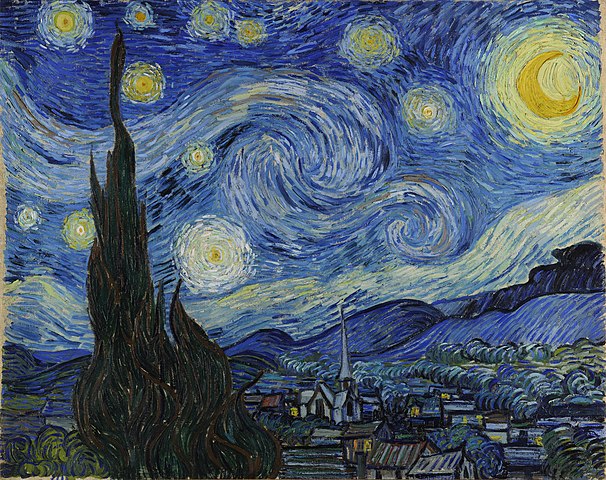
Example of the impasto technique: Starry night