
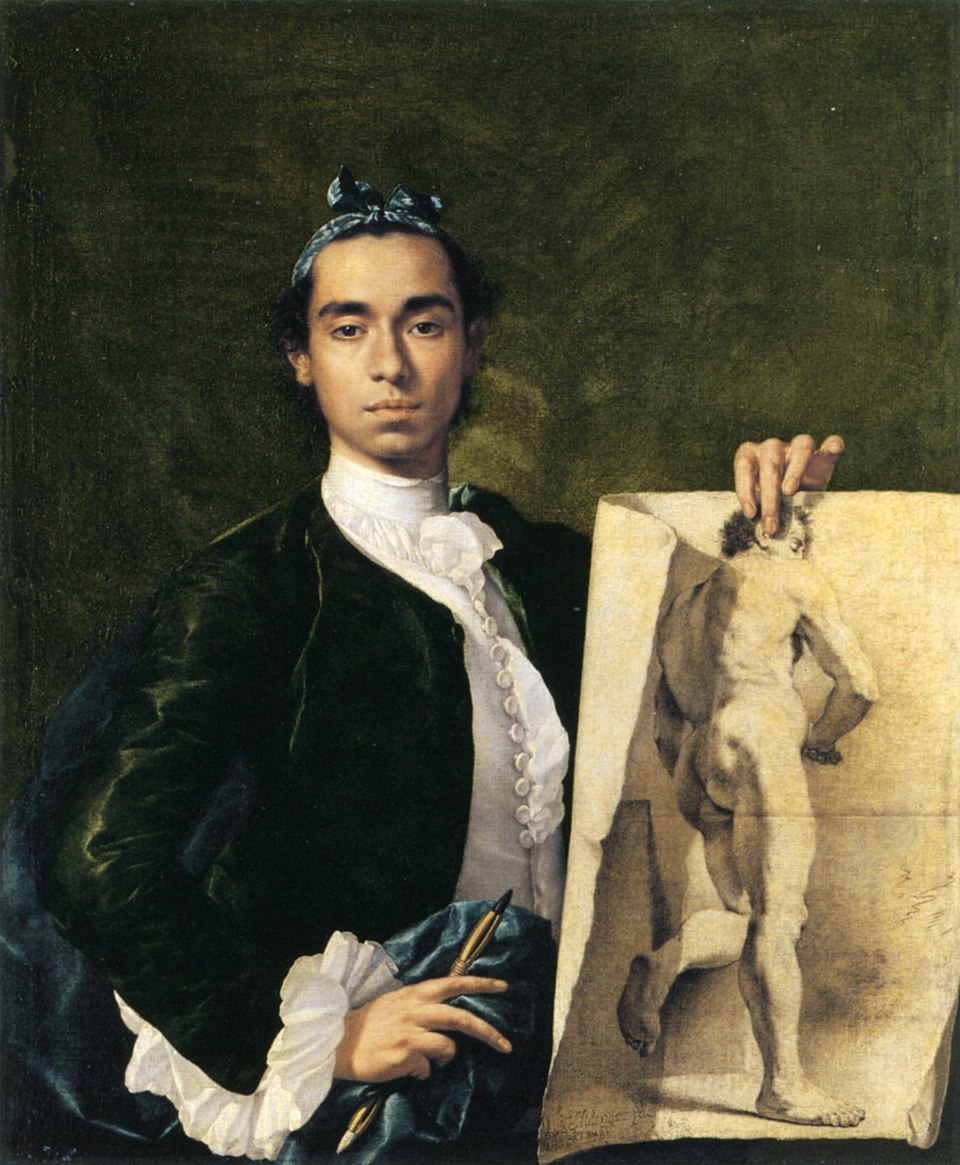
Today we highlight Luis Egidio Meléndez (1716–1780), a Spanish painter recognized as one of the greatest still life artists of the eighteenth century. Although he may not have received much recognition during his lifetime and died in poverty, his contribution to still life painting is undeniable.
Who Was Luis Egidio Meléndez?
Luis Egidio Meléndez was born in Naples, Italy, into a Spanish family of Asturian origin. His father, Francisco Antonio Meléndez, was a renowned miniaturist, and his uncle, Miguel Jacinto Meléndez, was a skilled portrait painter. This artistic background undoubtedly shaped his early development. Although he initially began his career painting portraits, Meléndez later turned his focus to still life, where he found his true calling. His works are celebrated for their incredible realism, attention to detail, and ability to reveal the beauty in everyday objects.
At ArtSchool.Nu, we explore different art periods and styles, including Realism, of which Luis Egidio Meléndez was a true master. Our courses in realism and photorealism give you insight into how artists like Meléndez achieved such authenticity in their depictions.
Luis Egidio Meléndez’s Contribution to Still Life
Luis Egidio Meléndez is best known for his small canvases depicting everyday objects with almost scientific precision. From fruit and vegetables to kitchenware and ceramics, he brought these objects to life through his masterful use of light, shadow, and texture. His still lifes are not merely simple representations; they are carefully composed studies of form, color, and material.
One of the most remarkable aspects of Meléndez’s work is his ability to portray the surfaces of different materials — glass, metal, ceramics, fabric, and food — with convincing realism. This is a key focus in our materials lessons at ArtSchool.Nu. Understanding how light reflects off various surfaces is essential to creating believable still life paintings.
Although Meléndez’s works may appear simple at first glance, they are the result of a profound understanding of color theory and composition. Each object is placed with precision, and the overall balance of the image is carefully designed to guide the viewer’s eye. Light often enters from the side, casting dramatic shadows that emphasize the forms and give the painting depth.
Still life painting has a long and rich history, and Luis Egidio Meléndez fit perfectly within that tradition. From the Dutch Golden Age painters to later periods, artists have used still life to explore form, color, and symbolism. Meléndez’s paintings, however, are unique in their focus on the beauty of ordinary objects, free from the moral or allegorical meanings often found in earlier works. His art celebrates the everyday, elevating it to the extraordinary through his mastery of technique.
Techniques Mastered by Luis Egidio Meléndez
Meléndez’s technique was characterized by his careful layering of paint, precise brushwork, and exceptional control of light and shadow. These elements contributed to the depth and three-dimensionality that define his work. He often used a muted color palette but managed to create a richness and subtle variation in tones that gave his still lifes a distinctive glow.
Although Luis Egidio Meléndez died in poverty, his work has since received the recognition it deserves. Today, he is widely regarded as Spain’s greatest still life painter of the eighteenth century. His paintings can be found in major museums worldwide, including the Museo del Prado in Madrid and The Metropolitan Museum of Art in New York.
The Prado Museum houses an impressive collection of Meléndez’s still lifes, many of which were commissioned for the Prince of Asturias’s natural history cabinet. These works demonstrate his extraordinary ability to document the natural world with scientific precision — a defining feature of his artistic practice.
Learn from the Master: Luis Egidio Meléndez and Your Own Still Life
You don’t have to be a professional artist to start painting your own still lifes inspired by Luis Egidio Meléndez. At ArtSchool.Nu, we offer free lessons in a wide range of art techniques to help you develop your skills in still life painting. Whether you prefer oil painting, acrylics, or colored pencil drawing, you’ll find practical guidance on our platform.
Our courses also cover:
- Composition: Learn how to arrange objects to create a harmonious and visually interesting image.
- Light and Shadow: Understand how light interacts with objects to create depth and form.
- Color Theory: Develop your knowledge of color relationships and how they affect mood and realism.
- Material Rendering: Practice capturing the texture and shine of various materials, just as Luis Egidio Meléndez did.
Our platform is designed to make art education accessible to everyone, regardless of age or experience. ArtSchool.Nu is a free online art academy where both adults and children can learn to draw, paint, and understand the world of art. Our materials are developed by academically trained artists from renowned art academies in Denmark and abroad. Led by architect and art historian Ane Boa, along with our team of experts, we are here to support your artistic journey.
Frequently Asked Questions about Luis Egidio Meléndez
Luis Egidio Meléndez (1716–1780) was a Spanish painter recognized as one of the greatest still life artists of the 18th century. He was known for his remarkable realism and attention to detail in his depictions of everyday objects.
Meléndez is best known for his many still life paintings, often depicting fruit, vegetables, ceramics, and kitchen utensils. These works are characterized by their precise rendering of texture, light, and shadow.
Many of Luis Egidio Meléndez’s works can be seen in major museums such as the Museo del Prado in Madrid, Spain, and The Metropolitan Museum of Art in New York, USA. His paintings are also part of several other prominent art collections around the world.
Luis Egidio Meléndez lived and worked in the 18th century, primarily during the Rococo and early Neoclassical periods, although his focus on realism set him apart from many of the dominant artistic styles of his time.
Luis Egidio Meléndez is important because he elevated still life painting to a new level of realism and technical brilliance. His works are masterful studies of form, color, and material, and he is regarded as one of the absolute masters of the genre.


